The Art of Maintenance: Keep What You Love Alive
Today we explore the art of maintenance, caring for objects to extend their lifespan and meaning. Through practical habits, gentle tools, and mindful observation, you will learn to slow wear, prevent failure, and deepen connection with belongings, transforming upkeep into a confident, creative practice that saves money, reduces waste, and honors the stories carried by cherished things.

Why Care Extends Life and Meaning

Attention transforms objects from mere utilities into companions that grow alongside us. When we clean, adjust, and store thoughtfully, we interrupt the slow creep of entropy while reinforcing bonds to memory and purpose. Beyond durability, maintenance preserves identity, continuity, and dignity in daily life, countering rushed consumption with presence, gratitude, and the quiet confidence of stewardship practiced regularly and shared generously.

From Disposable to Durable

Small, reliable rituals shift belongings from short-lived conveniences to long-standing partners. Wiping grit before it scratches, tightening a screw before it wobbles, and rotating use to distribute stress can triple service life. Habit protects beauty and function, but also values time, attention, and the environment, reducing replacements, packaging, and transport while protecting the memories intertwined with the object’s continued service.

Affection Through Stewardship

Care creates affection because it aligns action with appreciation. As we polish a handle, strop a knife, or brush a coat, we witness subtle changes and remember meals, journeys, and seasons shared together. The surface develops character, our hands learn familiar contours, and meaning deepens. This affection encourages continued upkeep, creating a virtuous cycle where usefulness and sentiment reinforce resilient, thoughtful ownership practices.

Foundations of Gentle Upkeep
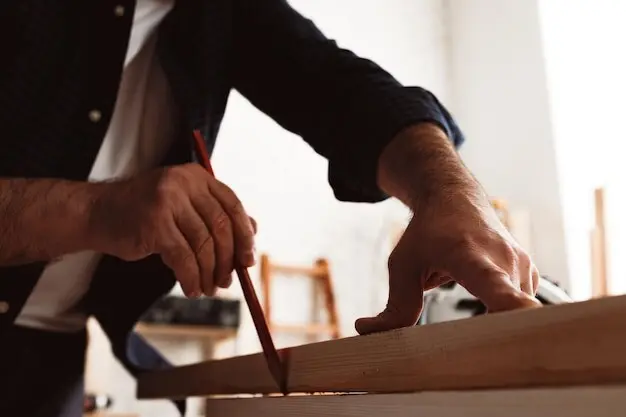
Before reaching for harsh chemicals or forceful tools, begin with observation and the least aggressive method. Understand what the object is made of, how it fails, and where it lives. Start soft, proceed slowly, and document changes. Protective cleaning, dry lubrication, and sensible storage create a baseline that reduces future labor, prevents over-correction, and respects the maker’s intentions and material limits elegantly and sustainably.

Cleaning That Preserves, Not Punishes

Choose pH-neutral soaps, soft bristle brushes, and microfiber cloths, then test in a discreet spot. Lift dirt outward rather than grinding it in. Avoid soaking materials that swell, and never chase stains so aggressively you remove finishes. Dry thoroughly, ventilate patiently, and keep abrasive pads away from delicate coatings. Clean enough to protect performance, not to erase history, patina, or well-earned character thoughtfully accumulated.

Lubrication and Friction Management

Match lubricant viscosity and chemistry to the job, using only a drop where a flood attracts grit. Oils penetrate; greases stay put; dry films resist dust. Wipe excess to prevent dirt paste. Remember compatibility with plastics, rubber, and finishes. Track intervals by hours of use, not just calendar time, and listen for changes in sound that suggest thinning, contamination, or overheating during regular operations.

Storage and Environmental Control

Protection continues when objects rest. Stabilize temperature, manage humidity, and block harsh light. Elevate items off damp floors, use breathable covers instead of suffocating plastics, and add silica gel where condensation threatens. Separate reactive materials, label containers, and maintain gentle airflow. Seasonal checks catch mold, pests, or warping early. Thoughtful storage is not absence of use; it is quiet, preventative collaboration with time.

Rituals and Schedules That Actually Stick

Cadence matters more than intensity. Tie upkeep to rhythms you already keep: Saturday coffee equals blade stropping, first snow signals boot conditioning, first warm weekend prompts bike checks. Calendar nudges help, but so do visible kits placed where action begins. Keep sessions short, frequent, and satisfying, ending with a quick note so next time feels obvious, light, and welcoming rather than uncertain or exhausting.

Materials Under the Microscope

Materials behave with distinct temperaments, so care must echo their needs. Wood moves with humidity; metal oxidizes; textiles fatigue; leather dries. One-size-fits-all products risk harm. Learn structures, finishes, and vulnerabilities, then choose reversible, conservative methods. Respect original workmanship, document changes, and accept gentle patina where appropriate. Informed attention sustains strength, function, and beauty across seasons without chasing artificial perfection or erasing meaningful history.

Tools for Tenderness and Precision

A small, well-curated kit invites action by removing friction. Keep essentials visible, labeled, and within reach of the task’s natural starting point. Choose durable, repairable tools that feel good in the hand. Embrace measurement where judgment benefits, but keep complexity low. Record dates, settings, and materials used to reveal patterns over time, building confidence and clarity with every respectful, repeatable touch you give.

Repair Stories, Community, and Shared Confidence

The Teapot That Outlived Three Kitchens

A chipped enamel teapot nearly retired until gentle descaling, a new gasket, and a patient handle repair returned its morning whistle. It poured through exams, moves, and children’s first cocoa. Each tiny intervention carried forward family rhythm. The fix was inexpensive, the joy immense, and the lesson unmistakable: steady attention converts fragile favorites into steady anchors that welcome every dawn with quiet resilience.

A Bicycle That Learned Every Season

A chipped enamel teapot nearly retired until gentle descaling, a new gasket, and a patient handle repair returned its morning whistle. It poured through exams, moves, and children’s first cocoa. Each tiny intervention carried forward family rhythm. The fix was inexpensive, the joy immense, and the lesson unmistakable: steady attention converts fragile favorites into steady anchors that welcome every dawn with quiet resilience.

Passing Skills Across Generations

A chipped enamel teapot nearly retired until gentle descaling, a new gasket, and a patient handle repair returned its morning whistle. It poured through exams, moves, and children’s first cocoa. Each tiny intervention carried forward family rhythm. The fix was inexpensive, the joy immense, and the lesson unmistakable: steady attention converts fragile favorites into steady anchors that welcome every dawn with quiet resilience.

Farilivozavozento
Privacy Overview

This website uses cookies so that we can provide you with the best user experience possible. Cookie information is stored in your browser and performs functions such as recognising you when you return to our website and helping our team to understand which sections of the website you find most interesting and useful.