A Quiet Rebellion of Ink, Grain, and Touch
Today we explore “Analog Rituals: Handwriting, Film Photography, and Tactile Habits that Slow Time”—an invitation to notice how deliberate slowness restores attention, memory, and meaning. Expect practical prompts, human stories, and small experiments that help you feel the day stretch wider, as tools with texture and weight invite presence, patience, and care. You are warmly invited to linger, respond, and share your own practices that make minutes feel generous again.

Ink on Paper: Rediscovering Personal Presence
Ritualizing the First Line

Begin with a breath that lands your shoulders, then write the date as a small ceremony that welcomes continuity. Choose a word that names your present mood and expand it into a sentence without editing. Accept imperfect letters and embrace margins as relief, not failure. By repeating this simple entryway each morning, your mind anticipates steadiness, anxiety softens, and the page feels less like a test and more like a room that remembers you.

Pens, Papers, and the Weight of Choice

A fine fountain pen glides like rain across glass, while a pencil offers forgiving texture that invites revision. Cream paper cushions ink; toothy stock whispers beneath graphite. Choose one pairing for a full week to reduce decision fatigue, then notice how consistent materials cultivate a recognizable rhythm. Keep a small kit ready, refill cartridges before they run dry, and honor the subtle satisfaction of a line that looks and feels unmistakably yours.

Letters That Travel Slowly

Handwritten letters invite patience, intentionality, and tenderness that rarely survives in instant messages. You sit longer with a person’s name, their address, the weight of a stamp, and a memory you want to protect in ink. The mailbox becomes a threshold where time transforms into anticipation. Try writing one letter this week—tell a brief story, include a leaf or photo, and ask a question. When a reply arrives, you will feel distance folding kindly.

Grain and Silver: The Patience of Film
Composing Before the Click

Lift the camera only after you have framed with your eyes. Step forward, crouch, or lean until the lines settle and the subject breathes. Check light on a cheek or wall, notice what intrudes at the edge, and let a count of three calm your impulse. When you finally press the shutter, intention replaces hurry, and the picture carries the echo of your patience as surely as it carries the light.

Living with Twelve or Thirty-Six

Lift the camera only after you have framed with your eyes. Step forward, crouch, or lean until the lines settle and the subject breathes. Check light on a cheek or wall, notice what intrudes at the edge, and let a count of three calm your impulse. When you finally press the shutter, intention replaces hurry, and the picture carries the echo of your patience as surely as it carries the light.

Darkroom as Sanctuary

Lift the camera only after you have framed with your eyes. Step forward, crouch, or lean until the lines settle and the subject breathes. Check light on a cheek or wall, notice what intrudes at the edge, and let a count of three calm your impulse. When you finally press the shutter, intention replaces hurry, and the picture carries the echo of your patience as surely as it carries the light.

Tactile Habits for Everyday Timekeeping

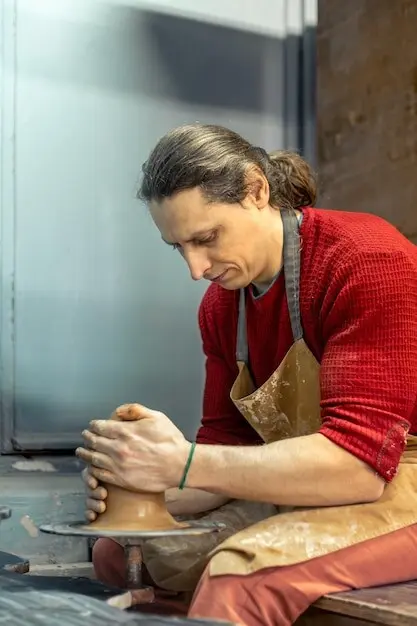
Small physical practices expand minutes into felt experience. Grinding beans by hand, flipping a vinyl record, kneading dough, or sharpening a knife each nudges the nervous system toward steadiness through predictable resistance and sound. Instead of grabbing outcomes quickly, you savor processes that orient your attention. Choose one morning and one evening ritual; record how your breathing changes and what worries become quieter. Share your experiments so others can borrow a gesture and begin gently, today.

Analog Mornings That Anchor Attention

Let dawn unfold with a simple sequence: open a window, heat water, and listen for the kettle’s tiny chorus. Bloom coffee slowly, watch the grounds rise like a soft tide, then write three unfiltered sentences. Put on a single track of music and stand beside the light. This order becomes a metronome for mood, guiding you from sleep into clarity without hurry or scrolling. Five careful minutes can dignify the entire day.

Objects with Weight and Wear

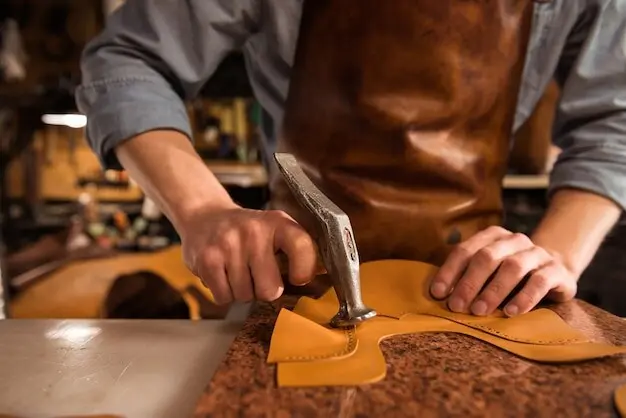
Choose tools that welcome patina. A scuffed notebook, a repaired mug, a well-balanced chef’s knife, and a camera with brassing tell stories that soften perfectionism. Weight steadies the hand; familiar scratches remind you that practice creates beauty worth repairing. Retire disposable gimmicks and adopt items that invite annual maintenance. Over time, these companions transform chores into comforting choreography, building trust in your hands and teaching care through every mark they gather and keep.
The Science of Slowing Down

Research suggests handwriting improves comprehension and memory by engaging motor planning and deeper encoding, while limited choices reduce decision fatigue and foster clarity. Time perception stretches when attention is anchored in sensory detail, and analog tasks deliver precisely that: sound, texture, and noticeable resistance. These signals calm the nervous system, returning agency to the present moment. With practice, patience becomes less a virtue and more a muscle you can strengthen through daily, tangible repetitions.

Stories from a Living Practice

Real lives carry these practices beyond advice. A parent rewrites family recipes by hand to keep voices alive. A traveler rediscovers patience through expired film that blooms unexpectedly. A musician rescues a worn record from silence and hears hope in the crackle. Share your own moments—triumphs, failures, and quiet breakthroughs—so this space becomes a circle of witnesses, not merely instructions. Your story might be the invitation someone needed to try one careful change.

Start Where You Stand: Gentle, Practical Steps
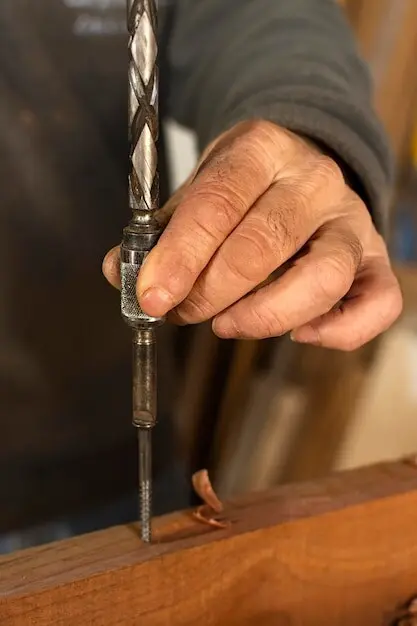
Momentum grows from small, repeatable wins. Choose one handwriting ritual, one photographic constraint, and one tactile habit to anchor the next week. Keep them delightful, brief, and forgiving. Track feelings, not metrics: sleep quality, breath depth, and distractions softened. Share your reflections in the comments or subscribe to receive monthly prompts that evolve with the seasons. Together, we will practice attention as a craft, not a mood, and build steadiness kindly.
Farilivozavozento
Privacy Overview

This website uses cookies so that we can provide you with the best user experience possible. Cookie information is stored in your browser and performs functions such as recognising you when you return to our website and helping our team to understand which sections of the website you find most interesting and useful.